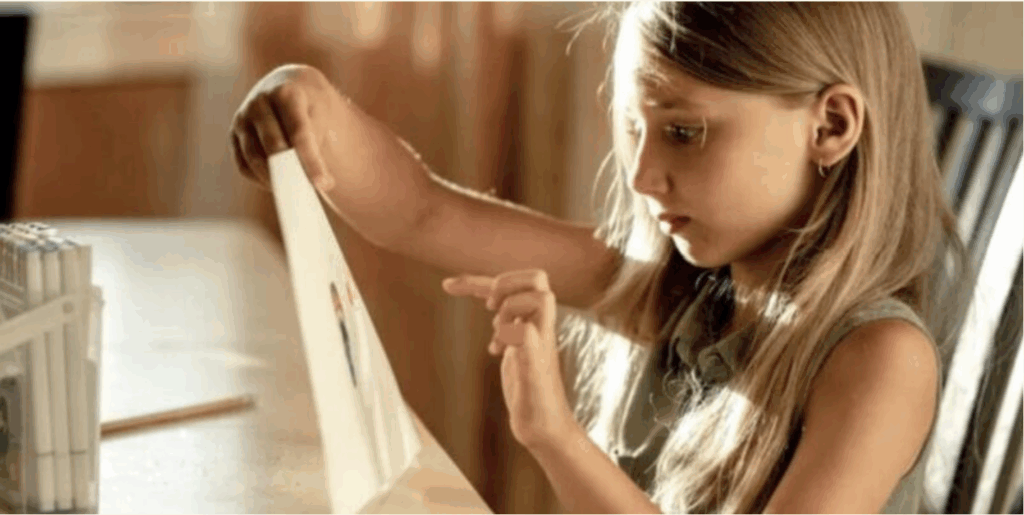
“If you do this, you will no longer be my daughter.” Those were my father’s last words—three years ago—before he walked out of my life and slammed the door behind him, cutting off everything that once connected us. I never thought I’d see him again.
Yet, one quiet afternoon, a black car rolled up my driveway… and with it came a past I had thought long buried. I could never have imagined my life would take this turn.
Three years ago, if someone had told me I would be at odds with the man who raised me—the one who called me “my little star”—I would have laughed bitterly. Back then, everything seemed so clear: I was on a fast track to success, working as a junior architect in the city,
latte in hand, five-year plan in my head. Then two pink lines changed everything. I was twenty-five, living in a cramped but cozy studio, and head-over-heels in love with Jonah—a quiet, modest carpenter from a nearby village. Jonah didn’t believe in grand declarations.
His love was expressed in small, everyday gestures: sewing a button back on my coat, remembering my favorite tea, watching shows with me that he secretly hated. He was calm in a world full of chaos. And I knew my father would hate him. I wasn’t wrong.
When I told my father I was pregnant and planning to marry Jonah, it felt as though the ground had been pulled out from under me. My father, Gerald Whitman, was a real estate tycoon known for his rigidity, meticulousness, and cold pragmatism.
He entered a room as if he owned it, always in a tailored suit that matched his icy tone perfectly.He listened silently, his piercing gaze fixed on me. The silence weighed on me like a physical pressure. No yelling. No lectures. Just emptiness that made me shrink into myself.
Finally, he spoke, his voice sharp and cutting:— If you do this, Liana, you will no longer be my daughter.I blinked, confused.— Dad… what?— I won’t support this, — he said in a voice as cold as ice. — That man has nothing to offer you. Zero money. Zero ambition. He’s beneath you.
— He’s not “just some guy”—I burst out, my voice breaking. — Jonah is good. Honest. He loves me, and I love him. That should matter.He clenched his jaw.— Love doesn’t buy houses. Love doesn’t pay for school. You’re throwing away everything I built for you.
— You mean everything *you* wanted for me— I replied, tears welling up in my eyes.And that was it. He turned, walked into his study, and slammed the door behind him. No goodbye. No hug. Just the click of the lock.
That night, I packed my things—a few suitcases and a worn childhood teddy bear—and moved into Jonah’s modest home on the outskirts of town. My father never called. Never visited. I sent him a wedding invitation out of politeness. He returned it, unopened.
Grieving the loss of my father’s presence was suffocating. I lay awake at night, staring at the ceiling, wondering how the man who rocked me to sleep and taught me to ride a bike could turn his back on me so mercilessly.
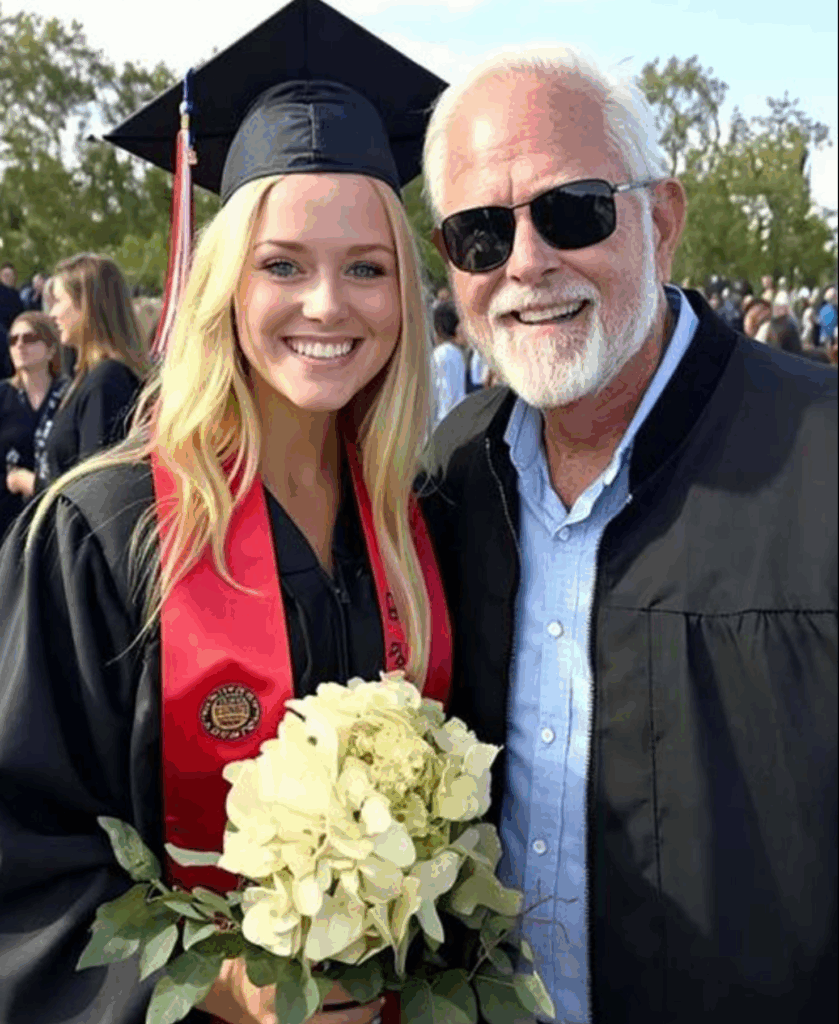
But life doesn’t pause for a broken heart.Jonah and I began to adapt. His tiny cabin, under 60 square meters, creaked with every gust of wind and groaned under our growing needs—especially as my belly began to round.
— I know it’s small, — Jonah whispered, brushing hair from my face. — But it’s ours. And I’ll make it work.He took odd jobs wherever he could—fences, carpentry, repairing rotting stairs for neighbors. I tried to contribute with remote projects, though pregnancy was physically draining.
We thought we were having twins.Instead, we had triplets—two girls and a boy. Chaos, adrenaline, and near-fainting in the delivery room. Jonah looked like he’d seen a ghost.— I guess we’re extraordinary, — he whispered weakly, a small smile barely on his lips.
The first year was the hardest.Three kids meant three little faces, three sets of diapers, three nights of crying. We were exhausted. We fought sometimes—over money, bottles, forgotten wipes—but Jonah always found a moment to hold me. I never felt alone.
And then, slowly, like the sunrise after a stormy night, things began to change.A local developer noticed Jonah’s work and offered him a contract to renovate luxury cottages. The word spread. Jobs started coming in. I handled accounting, the website, and scheduling.
Our little cabin was no longer a cage—it became a place of opportunity.By the time the triplets turned two, we had a used car, moved to a bigger house, and even had a small garden. It wasn’t luxurious—but it was ours. And it was beautiful.
Until the phone rang.I was folding laundry when I saw the name on the screen: “Dad.”— Liana, — came the cold, icy voice. — I heard you have children.— Three, — I answered cautiously.— I’ll come tomorrow. You and the kids deserve better. One chance. Come back with me. If not, the door closes forever.
He hung up before I could respond. The next morning, a black limousine rolled up our gravel driveway, absurdly contrasting Jonah’s battered pickup. My father stepped out in a navy suit, sunglasses on, standing tall as ever. Time had not touched him—he was still the same cold, powerful man.
I opened the door, Jonah at my side.— Father, — I said coolly.— Liana, — he nodded. — Come in.He walked slowly through our home. Examined the wooden shelves Jonah had made, the worn play mats, family photos on the walls. Not a word.
Then he turned to me. His voice shook.— Oh no… what have you done?— Excuse me?— You’re not suffering.— No, we’re not. We’re happy.— You could have had more, — he pressed. — You still can. Come back with me. I can give the kids opportunities Jonah never could.
Jonah’s hand tightened on my waist, but I didn’t flinch.— They already have everything they need. Love. Stability. Parents who fought for them. We built this ourselves.His eyes narrowed, lips pressed into a thin line.
— You’ll regret this.And he left, slamming the door.I froze. My heart was pounding.But he didn’t drive away.For hours, he sat in the car—motionless as a statue. Through the curtain, I saw him cover his face with his hands. No anger. No pride. Just… grief.
— What is he doing? — Jonah asked, holding one of the kids.— I think… — I hesitated. — I think he’s breaking.At sunset, he finally stepped out. Walked slowly, shoulders slumped. Stood on our porch, then knocked.
I opened the door. I saw a man I didn’t know—broken, humbled. Tears streamed down his face. His voice trembled.— I was wrong. I stayed silent.— I thought I was protecting you, — he whispered. — But I only hurt you. I thought I knew better,
but I didn’t see you—really see you. You built something beautiful, and I wasn’t part of it. That’s my fault. He crumpled, sobbing. And still, I held him.— I missed you, — I whispered, tears running down my face.
For the first time in years, we sat for a genuine conversation. He apologized for every cold word, every judgment, every absence. I forgave him—not because it was easy, but because I wanted my children to know their grandfather.
The triplets toddled over, curious. My father knelt down, hands trembling.— Hello, — he said softly.One of the little girls tilted her head.— And you are… Grandpa?
He covered his mouth with his hand, choking back sobs.— Yes… — he whispered. — Grandpa is here. And in that moment, for the first time in years, my heart felt full again.