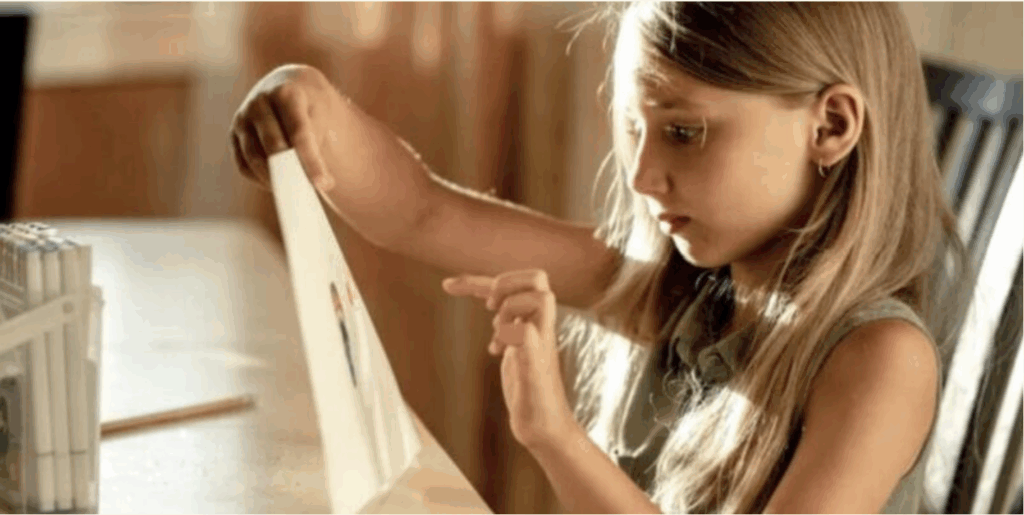
After a lifetime of endless sacrifice, I finally managed to save enough to carve out a small patch of freedom in the quieter years of my life. A freedom that felt like sunlight spilling through a window after a long storm—gentle, earned, and fragile.
But that peace, delicate as it was, didn’t last. My daughter reappeared, carrying sweet smiles that barely masked sharp, calculating intentions. And in one swift, silent unraveling, it wasn’t just money that vanished—it was trust, it was legacy, it was love.
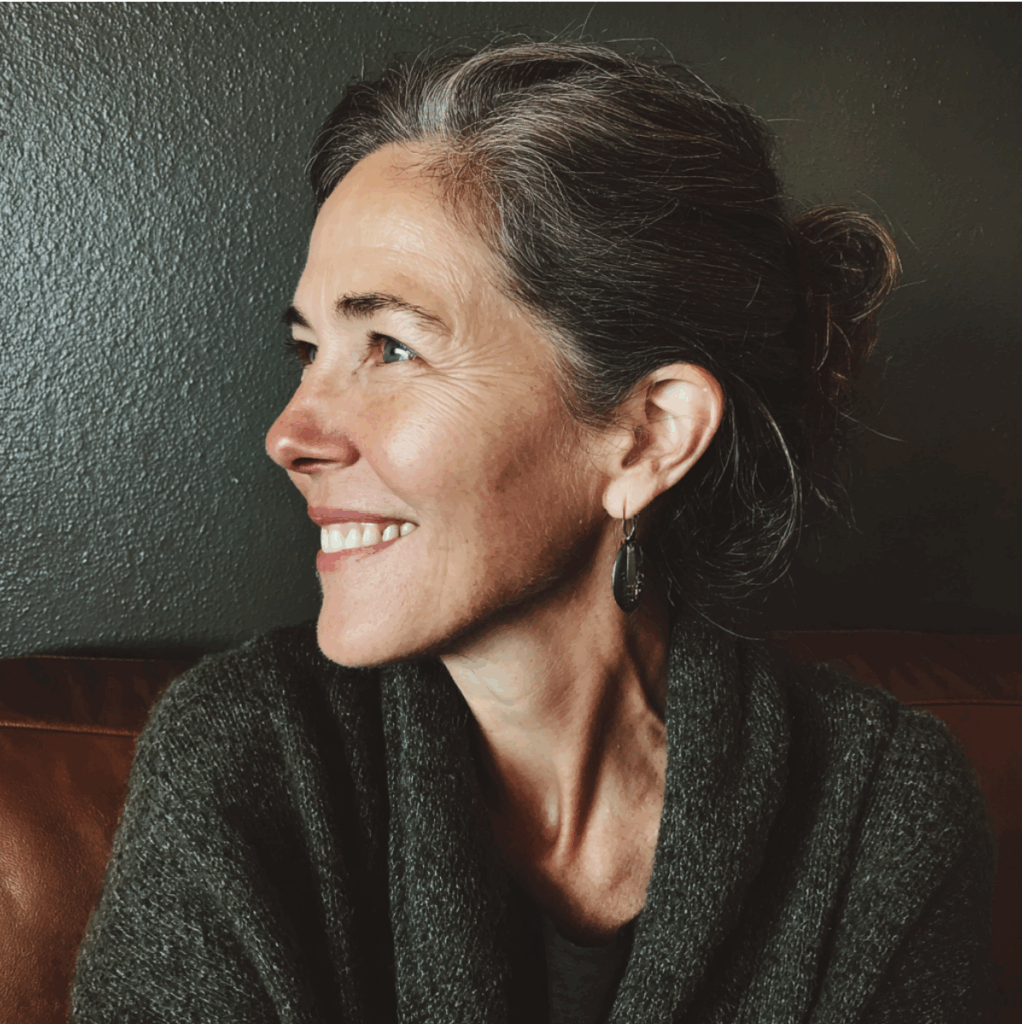
In the aftermath, I discovered a truth I should have known all along: family isn’t always the people who share your blood. Family is who stands unwaveringly beside you when the world tilts sideways.
When people talk about growing old, they usually describe the little luxuries they anticipate: lingering over breakfast without a clock’s nagging, tending a garden in the golden morning light, reading novels long abandoned to a busy life,
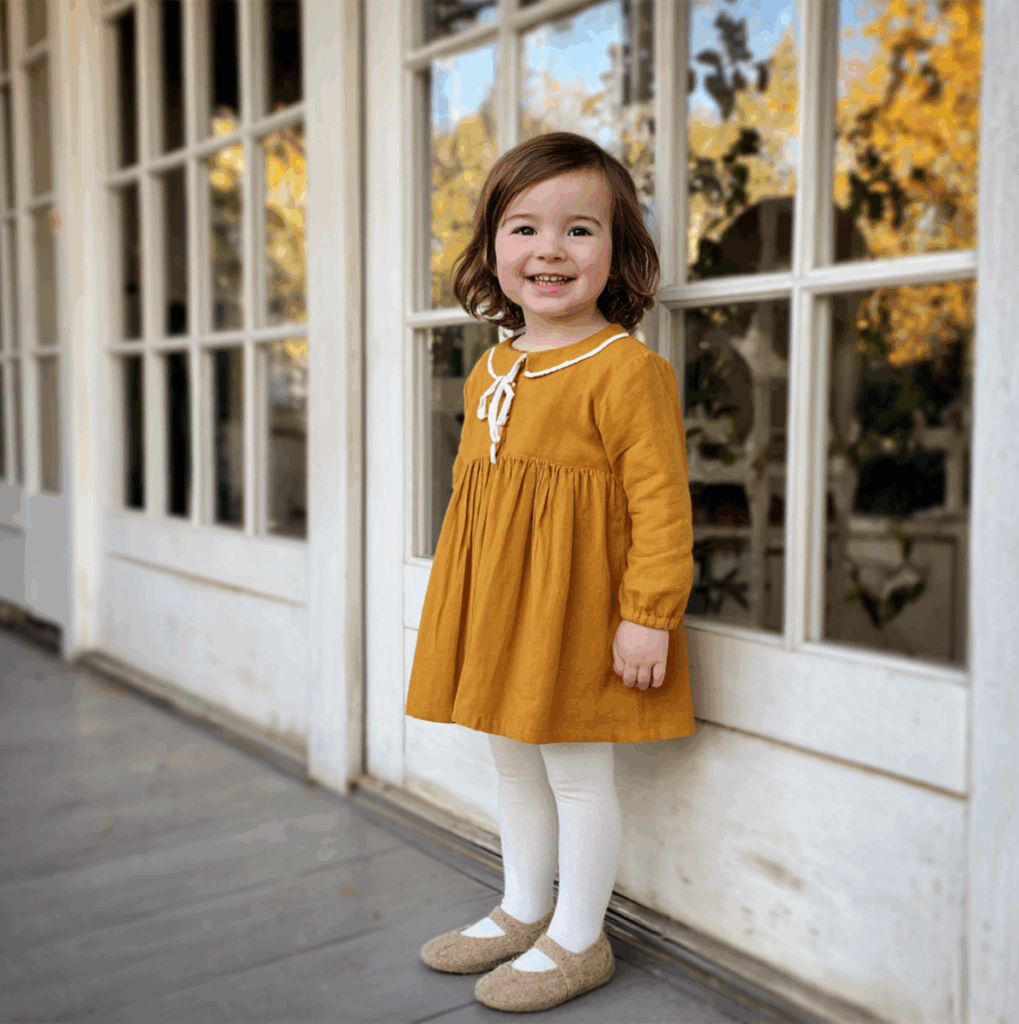
or taking the occasional trip to somewhere the heart longs for but the schedule never allowed.
Me? I craved only silence. Not the oppressive kind that presses on your chest like grief or fear, but the kind that comes after a life of giving, a soft, spacious silence that swells around you when you know you’ve done enough. When you’ve worked enough. When you’ve given enough.
My name is Julie, and I’m fifty-five years old. I’ve been a mother longer than I’ve known life without the constant hum of worry, the ceaseless vigilance of love. My first daughter, Rachel, was only three when her father
walked out the front door without even glancing back. I remember the rain that soaked the morning streets, the bitter tang of coffee, the slam of the door echoing—but oddly, the smell and the drizzle linger in memory far more vividly than the sound itself.

For a few years, it was just the two of us. I raised her on long, relentless days and longer, sleepless nights. Then came Tom, with his warm hands, quiet laugh, and a little girl of his own named Emily. At first, Emily was shy and cautious,
a delicate soul tiptoeing into the unknown. Over time, though, she nestled herself into my side, a silent declaration that she belonged, right there, in the rhythm of our family.
But joy is often fleeting. Tom died unexpectedly five years into our marriage. One ordinary evening, folding laundry, his heart simply stopped. And just like that, I became a single mother again—this time to two girls.
I worked like a machine for them. Two jobs, sometimes three, picking up extra shifts to cover rent, groceries, school fees, car repairs. Nights blurred into mornings. Weekends vanished into a haze of early shifts and urgent phone calls.
Clothes went unworn, my body ached, my feet throbbed with relentless fatigue. But one thought kept me moving: they should never lack what I lacked.
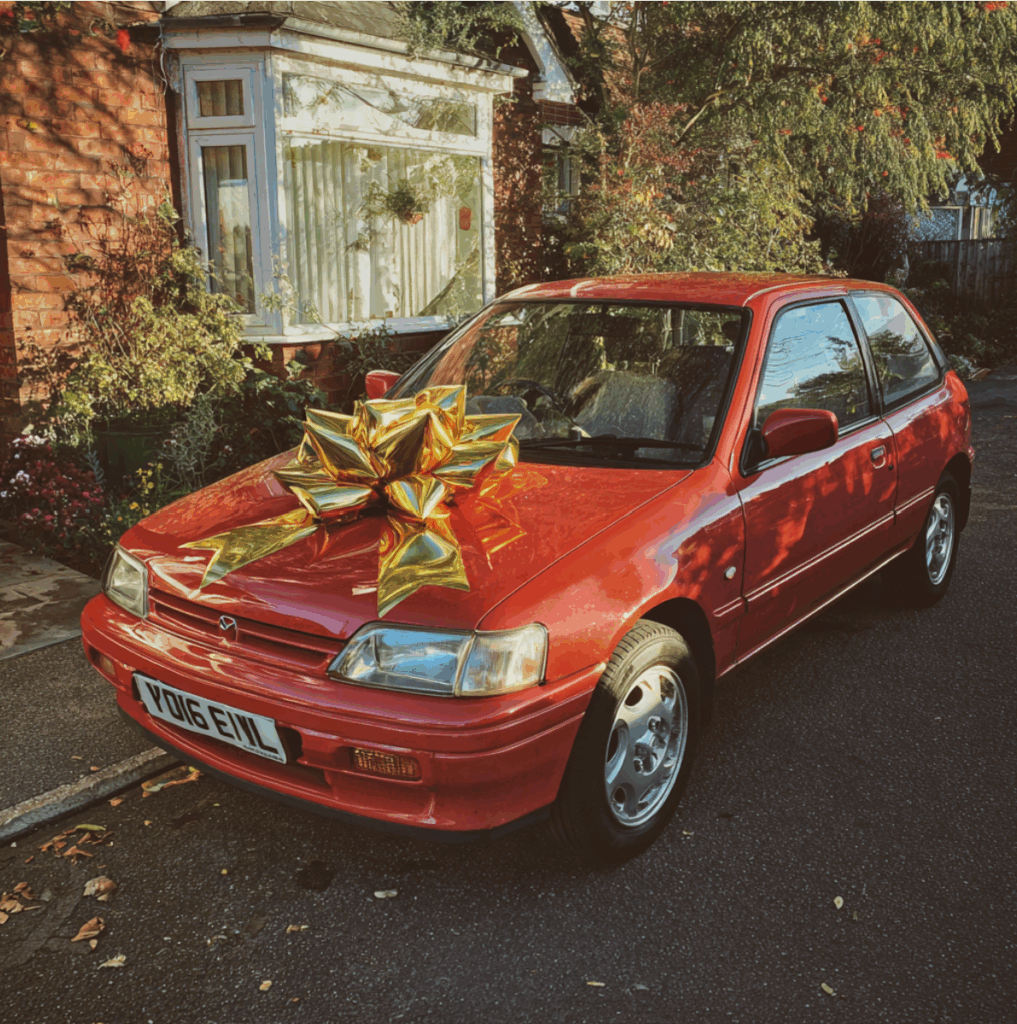
I made sure they went to a good private school. Their 18th birthdays were marked with cars—used, but dependable. I funded as much of their college education as I could, every dollar earned, every sacrifice made. I packed lunches, attended every recital,
every last-minute school play, every minor victory and disaster, making sure they felt seen, safe, and loved.
Emily never failed to notice. Even after she graduated, she checked in with a warmth that made my heart ache with quiet pride.
“How’s your hip, Mom? Still giving you trouble?” she would ask, her voice a little breathless, as if she’d run around the house before calling. She’d drop off soup when I was sick, leave scented candles with handwritten notes tucked inside,
and show up in ways that reminded me I wasn’t invisible. “You’ve always made me feel like I was yours, Mom. I’ll spend my life proving that I see you. I appreciate you.”
Rachel, on the other hand, was always harder to reach. Not cold exactly—just quietly, persistently bitter. It was as though life had dealt her scales I could never tip, no matter how I tried.
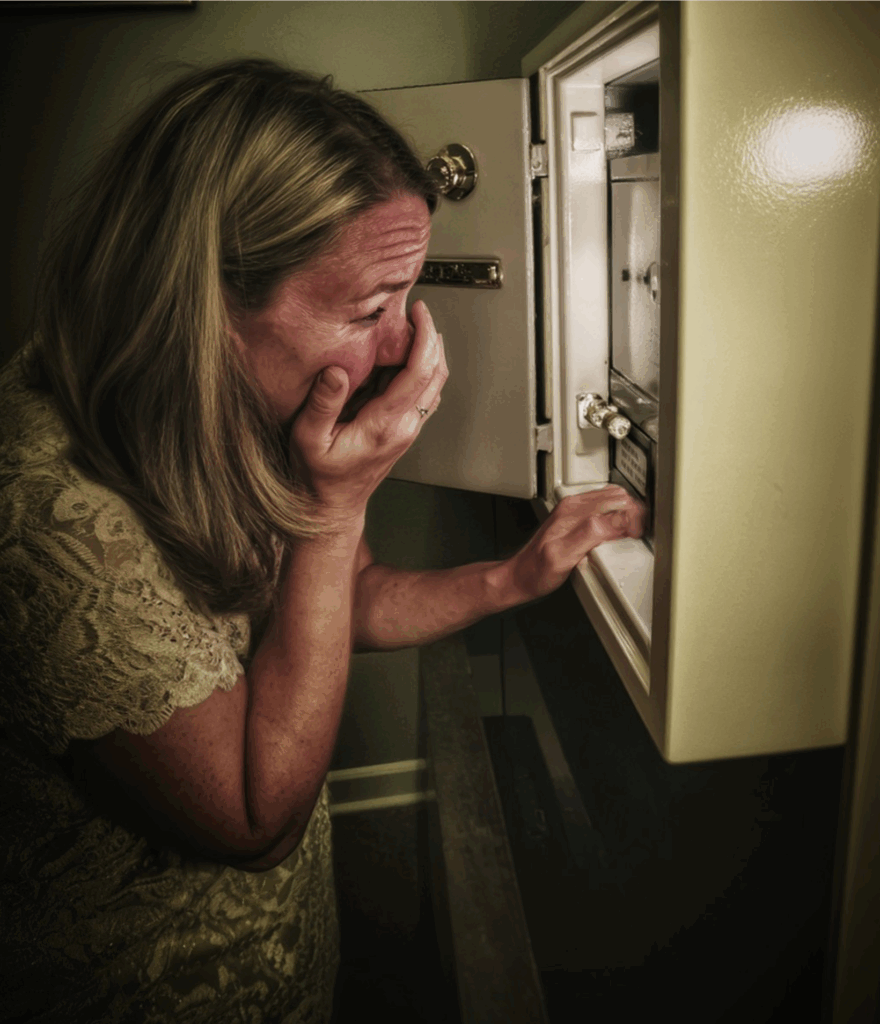
Over lunch once, she toyed with her food, concentrating on something hidden deep within her thoughts.
“You know, Mom,” she said finally, “it always felt like Emily got the best of you.”
I looked at her, stunned. “Sweetheart, I gave you both everything I had.”
“Still felt like she always came first,” she replied with a shrug, as if the world’s fairness could be weighed in her tiny hand.
I tried to disprove it, year after year. I bought her favorite cereal, let her have the larger bedroom, covered the little emergencies that popped up. I reminded her again and again that love was not a finite resource, that there was more than enough to go around.
But the resentment lingered. It seeped into corners of her heart, slow, quiet, and insidious, like mold behind a bathroom mirror—unnoticed until it was entrenched.
When both girls finally moved out, the house fell silent. For the first time in decades, I let myself imagine a life just for me. A life where I could breathe, where silence wasn’t a pause between crises, but a soft companion. And for a fleeting moment, it felt like freedom.