A Final Kiss Goodbye: A Risk Worth Taking—or a Hidden Danger?
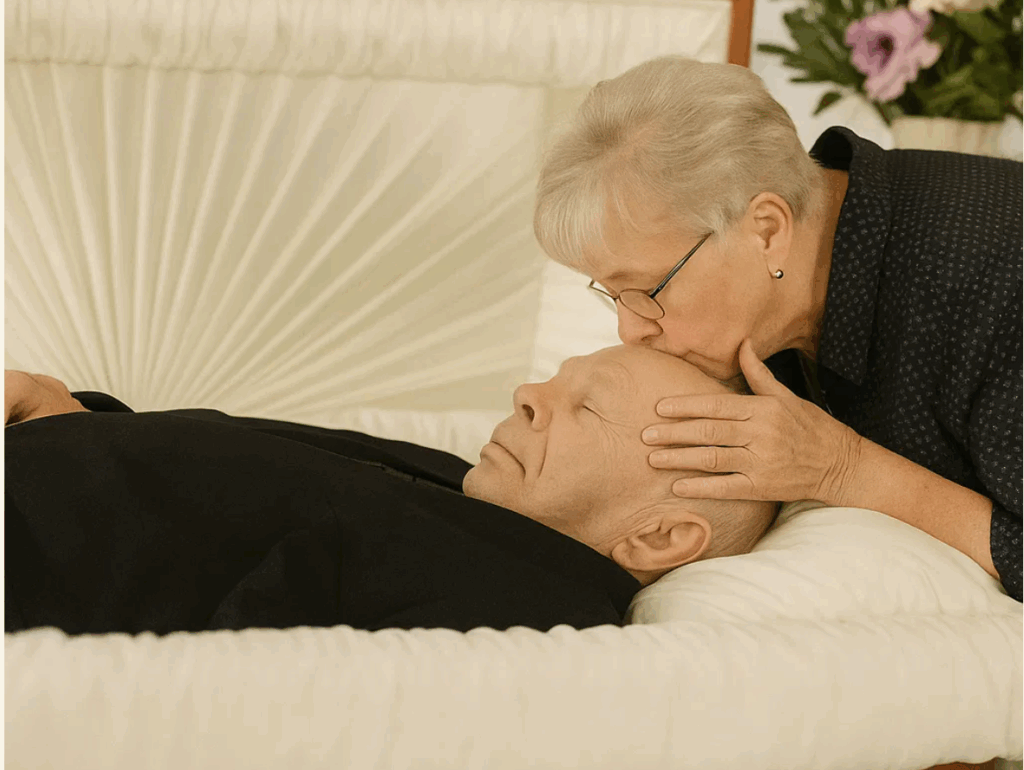
A goodbye kiss can feel like the most human, heartfelt way to part with someone we love. But could this sacred moment also carry unseen risks?
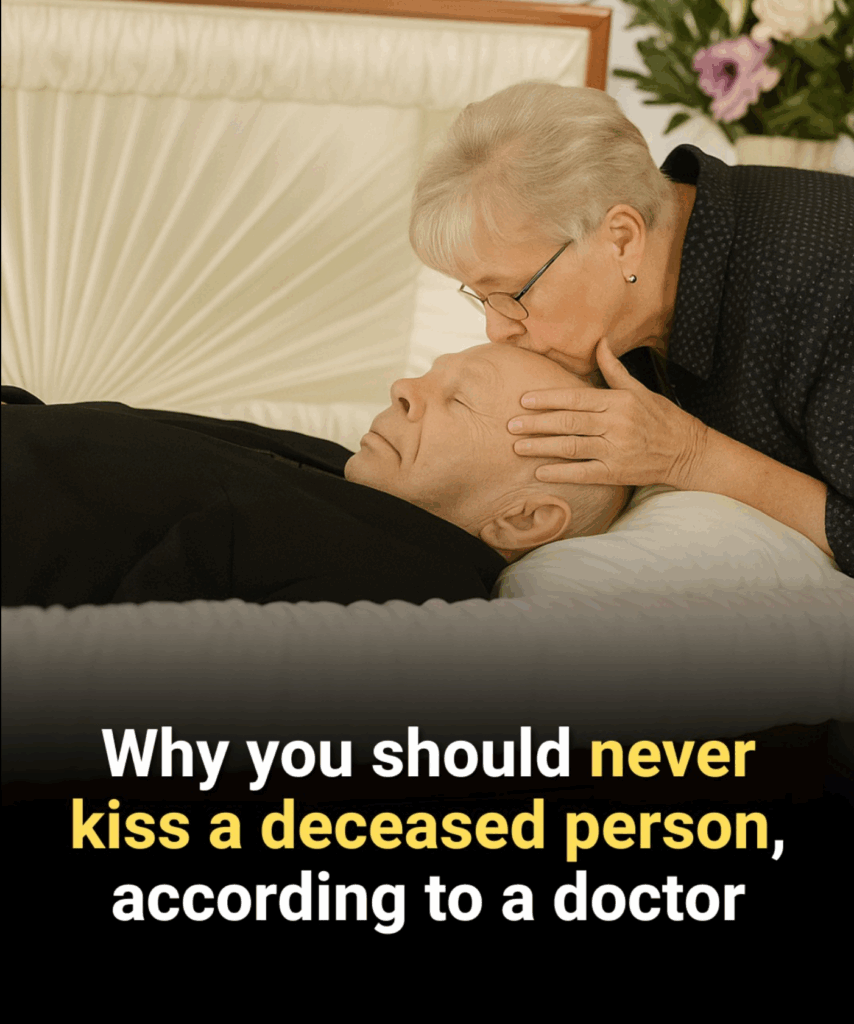
Dr. Viktor Ivanovik, a Moldovan physician with a devoted TikTok following of over 300,000, recently stirred strong emotions online. His message? As painful as it may be—don’t kiss the dead.
In a viral video, Dr. Ivanovik explained that even after death, harmful bacteria can linger on the body, especially if the person passed away from a contagious illness. While the risk of infection is low, it isn’t zero—and during moments of close contact, like a kiss, the danger increases.

The post hit home. Some praised his focus on safety and public health. Others felt conflicted, seeing it as an intrusion on one of our most intimate rituals of farewell.
Grief and Safety: A Delicate Balance, Across the world, cultures have long embraced final acts of touch—holding a hand, stroking hair, kissing the forehead—as a deeply symbolic way to say goodbye. These moments offer closure, comfort, and a sense of peace.
But public health officials urge caution, particularly during pandemics or outbreaks. Not out of fear, but out of care—for ourselves, our families, and the wider community.
When the risk of contagion is even slightly elevated, every interaction is scrutinized. And yes, even something as sacred as a final kiss may need to be reconsidered.
What Do the Experts Say? Under normal conditions, the risk of infection from a deceased person is generally very low, especially if they died from a non-infectious illness.
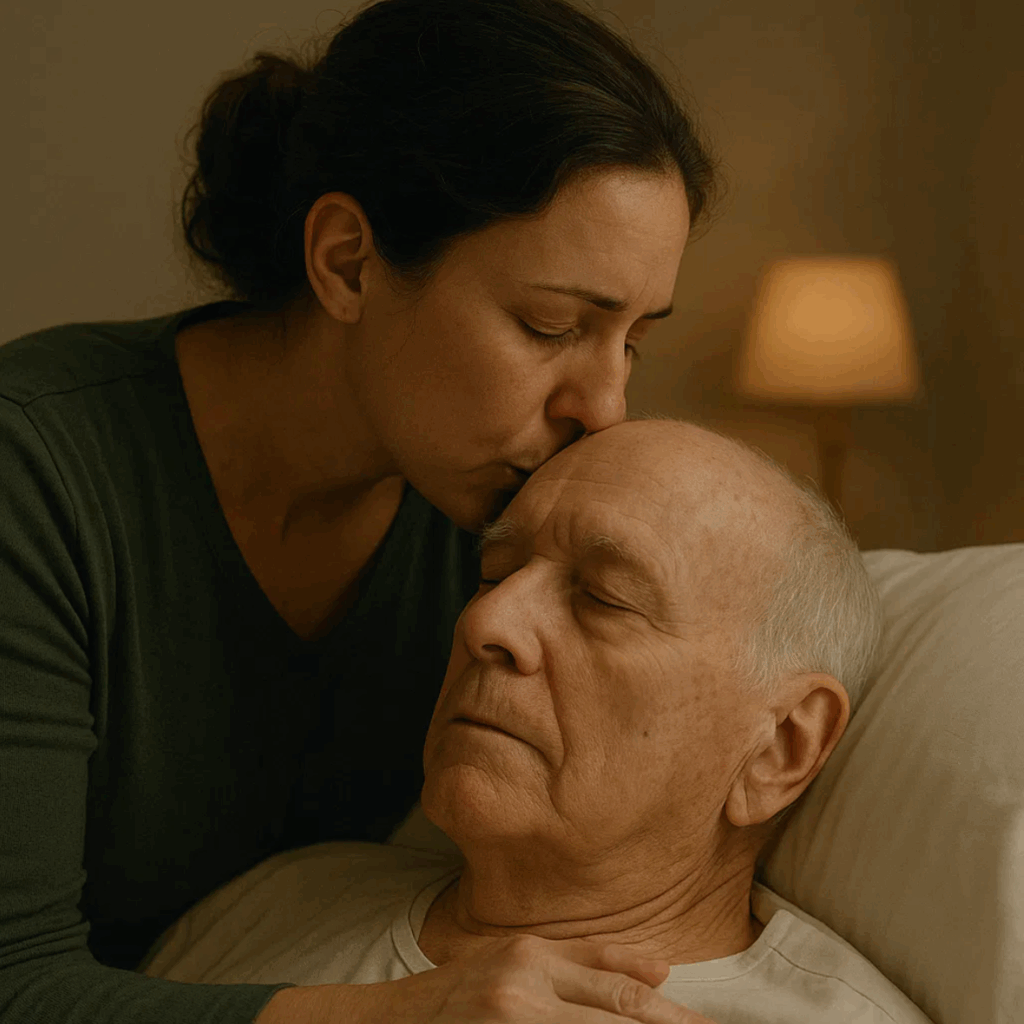
However, there are specific situations where physical contact should absolutely be avoided, including: Tuberculosis, Hepatitis B or C, Viral hemorrhagic fevers (like Ebola), Severe bacterial infections
In these cases, the body may remain infectious for some time after death—posing a potential risk to those who come in close contact.
If you’re unsure of the cause of death or have health concerns, it’s wise to consult a physician or licensed funeral director. They can provide guidance based on the medical history and circumstances.
Safe and Heartfelt Ways to Say Goodbye, If touching the body isn’t possible—or advised—there are still many meaningful ways to honor your loved one without compromising safety:
Place a flower gently in their hands or beside them. Light a candle and sit in quiet remembrance. Write a heartfelt letter and leave it with them. Create a memorial at home with photos, candles, and their favorite music
Record a voice or video message reflecting on your memories. Gather with family to share stories and celebrate their life
These gestures—small as they may seem—can be just as powerful and healing as a goodbye kiss.
Final Thoughts: Love, Loss, and Letting Go, This conversation isn’t just about bacteria or protocols. It’s about how we honor those we’ve loved while also protecting the living.
Grief is deeply personal. And so is the way we say goodbye. Whether you choose to kiss your loved one farewell or honor them from a gentle distance, the most important thing is that it comes from the heart.
By making thoughtful, compassionate choices, we can mourn safely—and meaningfully.
Disclaimer: This article is for general information only and not a substitute for medical or professional advice. For specific guidance, always consult a healthcare provider or licensed funeral professional.